Scams Now Wear the Face of Routine Notifications
Modern scams now look like routine notifications. Learn how fake package alerts, fraud messages, toll notices, and law-enforcement calls trick people into losing money.
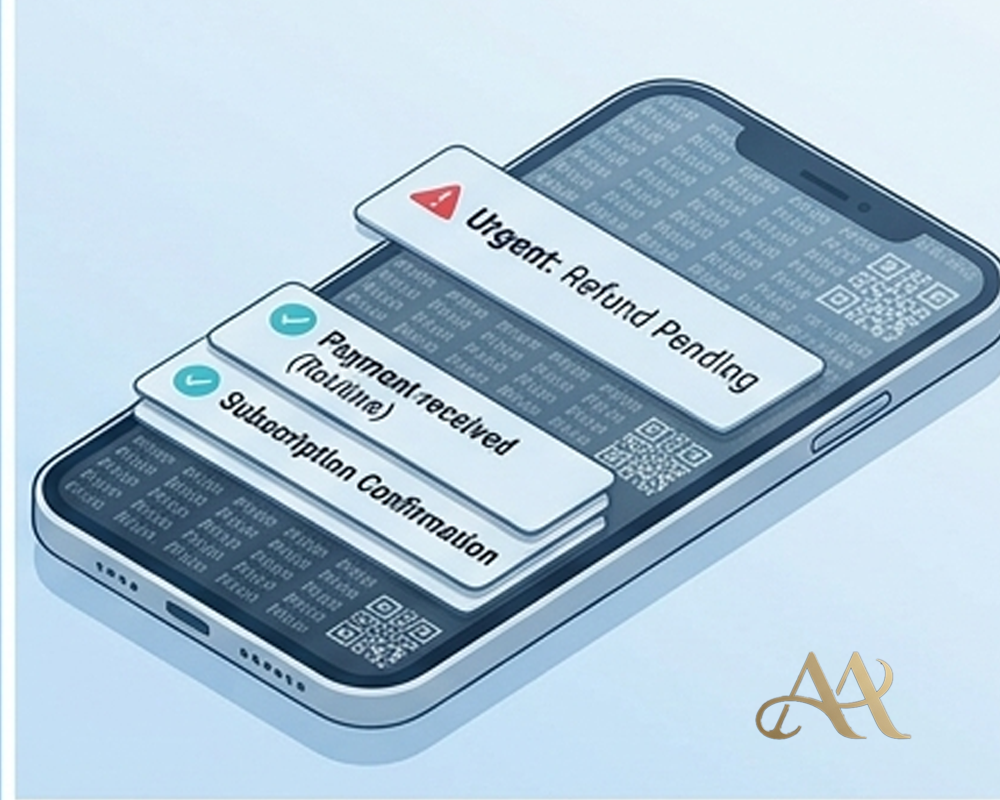
Modern scams now look like routine notifications. Learn how fake package alerts, fraud messages, toll notices, and law-enforcement calls trick people into losing money.

Old routers and unsupported edge devices are becoming easy targets for attackers. Learn how forgotten hardware can expose homes, businesses, and networks to serious cyber risk.
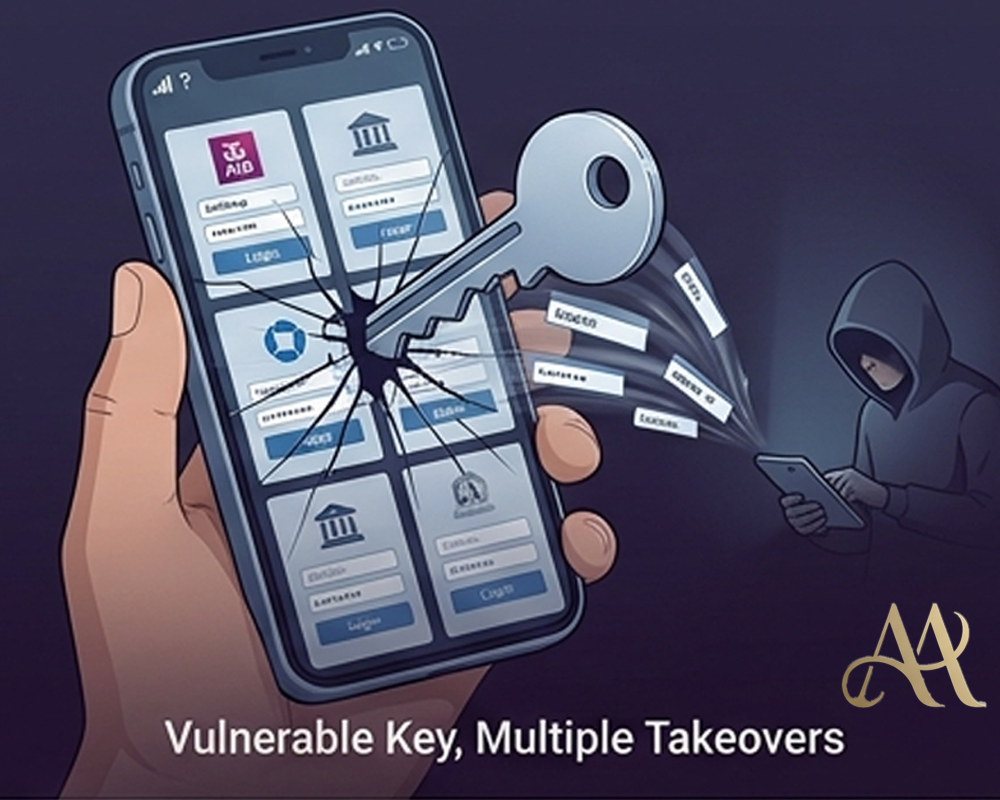
Your phone number is often used as proof of identity, but attackers can take it over through SIM swapping or port-out fraud. Here is how the attack works and how to reduce the risk.

Cyber attackers are exploiting the promise of new jobs. Fake recruiters and “task” platforms are tricking job seekers into revealing credentials, paying fees, or running malware. This article explains these threats and how you can stay safe while job hunting.
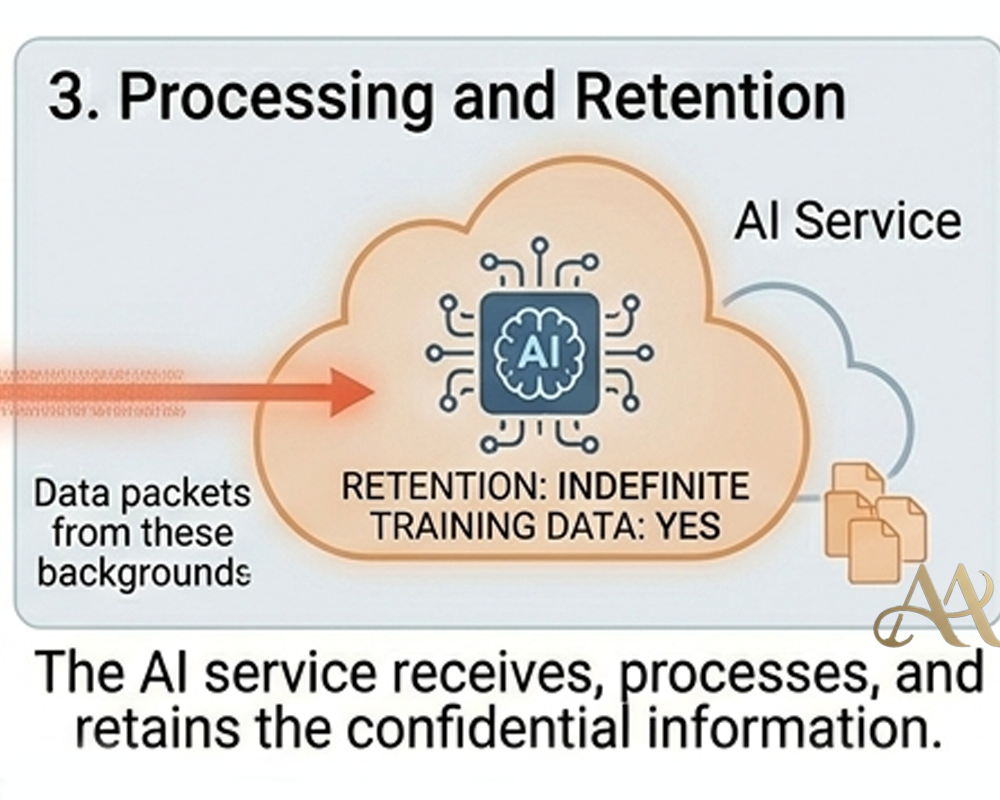
Unofficial AI tools and browser extensions are converting helpful prompts into data leaks - employees routinely paste sensitive info into chatbots, unknowingly exposing it. This post explains how “Shadow AI” usage spills corporate secrets and offers concrete defenses like DLP rules, governance, and secure AI alternatives to plug those leaks.